
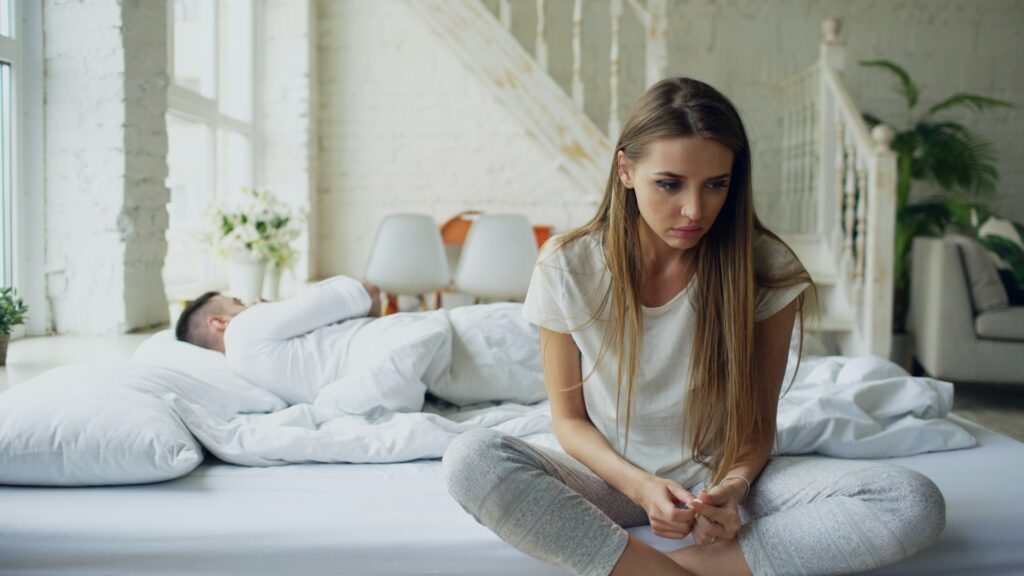
Why Constant Fatigue Is Quietly Draining Your Desire
Feeling tired all the time and also noticing your sex drive slipping? Those two issues are often connected. Many adults in Newport Beach head into fall already worn out from long workdays, family schedules, and late nights, then wonder why intimacy feels like one more chore instead of something to look forward to.
Hormonal fatigue is a simple way to describe what happens when your hormones that control energy and mood are out of balance. You might notice:
- Afternoon energy crashes
- Brain fog and trouble focusing
- Restless or shallow sleep
- Low motivation, even for things you usually enjoy
That same hormonal drag that keeps you glued to the couch can also quiet your desire, slow arousal, and reduce satisfaction in the bedroom. Over time, this can create tension and misunderstanding in relationships. Many couples blame themselves or each other when the deeper issue is often hormonal and fixable. At OC Wellness, we see men and women every week who say they feel “too tired for intimacy,” and we want to explain why that happens and what can help.
How Hormones Hijack Energy and Libido
Your body runs on a group of hormones that work like a team. When they are in sync, you feel steady energy, a brighter mood, and a natural interest in sex. When they are off, even a little, you can feel like a different person.
Some of the key players include:
- Testosterone , supports desire, confidence, and muscle strength in both men and women
- Estrogen , supports mood, vaginal comfort, and blood flow
- Progesterone , supports calm, sleep, and balance with estrogen
- Thyroid hormones , set your “metabolic speed” and daily energy
- Cortisol , your main stress hormone, helps you wake up and handle pressure
- DHEA , a hormone that helps support resilience, mood, and sexual function
When this system gets out of balance, several things can happen at once. Low testosterone or estrogen can lead to low libido, fewer spontaneous sexual thoughts, and trouble with arousal. A sluggish thyroid can bring weight gain, feeling cold, brain fog, and deep fatigue. Cortisol that is too high or too low can leave you wired at night, exhausted during the day, and more anxious about intimacy.
These changes do not always come on slowly. Many people feel fairly normal in summer, then notice a shift as routines tighten up in early fall. Work pressure ramps back up after vacations. Kids are back in school, traffic gets heavier, and social plans fill the calendar again. Stress rises, sleep gets choppy, and hormones feel the strain. What seems like a sudden drop in energy and desire is often the result of this quiet hormonal overload.
Hidden Everyday Triggers of Low Libido in Newport Beach
Life in a coastal city looks relaxed from the outside, but many locals run at full speed most days. Certain habits common in Newport Beach can push hormones out of balance without you realizing it.
Common triggers include:
- High-pressure jobs with long hours or tight deadlines
- Long commutes and late meetings that keep you wired at night
- Frequent social events with alcohol and late dinners
- Overtraining to “stay ready” for beach or boat season
- Skipping meals or grabbing fast snacks between tasks
Add constant screen time to that list. Scrolling in bed, answering emails late, and streaming shows into the night can:
- Delay your natural sleep time
- Disrupt melatonin, the sleep hormone
- Keep cortisol higher than it should be
- Lead to cravings and late-night snacking
All of this affects blood sugar, cortisol rhythm, and sex hormones. The end result is low energy during the day and low interest in sex at night. It is easy for couples to misread these changes. One partner may feel hurt or rejected; the other may feel guilty or “broken.” In many cases, the real issue is a mix of hormonal imbalance and lifestyle strain that can be addressed with the right plan.
Modern Testing and Low Libido Treatment in Newport Beach
When energy and libido drop, it is tempting to try quick fixes, like random supplements or online hormone products. The risk is that a single number on a lab test or a generic formula rarely tells the whole story.
A better approach is a full, thoughtful look at your hormone picture. This often includes:
- Sex hormones: testosterone, estrogen, progesterone
- Thyroid function
- Cortisol patterns
- Markers related to metabolism and inflammation
At OC Wellness in Newport Beach, we use this kind of information to help uncover why you feel so tired and disconnected from your desire. From there, a personalized plan may include hormone optimization, such as bioidentical hormone replacement when appropriate, support for the thyroid, and strategies to calm or strengthen the adrenal stress response. Some patients may also benefit from targeted sexual wellness therapies to support arousal, comfort, and confidence.
Having medical guidance matters. DIY hormone hacks or “testosterone boosters” bought online can miss serious issues or cause side effects. A supervised plan can be adjusted as your body responds, which is especially important as work, stress, and family demands shift over the fall season.
Lifestyle Shifts That Restore Energy and Intimacy
Hormone care is not only about prescriptions. Simple daily choices can support your treatment and help bring your natural desire back online.
We often talk with patients about:
- Eating a protein-forward, Mediterranean-style pattern, including colorful plants and healthy fats, with steady protein at each meal
- Building strength training into the week, plus light movement like walking or easy cycling on off days
- Keeping a regular sleep and wake time, even on weekends
Stress management is also key for healthy cortisol and better evening energy. Helpful tools can be:
- Short breathing breaks between meetings
- A ten-minute walk outside after lunch
- Setting work cutoff times at night
- Gentle stretching before bed instead of scrolling
Fall in Newport Beach also brings its own rhythm. Travel slows down, school events pick up, and social plans often shift toward football games, fundraisers, and early holiday gatherings. This is a good moment to:
- Reset routines after a looser summer schedule
- Keep alcohol to a level that does not disrupt sleep
- Plan couple-focused time that feels fun and relaxed, not pressured
Intimacy often returns more easily when both partners feel rested, heard, and supported, rather than pushed to “perform” when their body is running on empty.
Take the First Step Toward Feeling Like Yourself Again
Constant exhaustion and low libido are not just signs that you are “getting older.” They are messages from your body that your hormones and metabolism may need attention. When you understand that connection, it becomes easier to be kind to yourself and to seek real help instead of blaming willpower.
At OC Wellness, we work with men and women who are tired of feeling burned out, checked out, and distant from their own desire. A practical place to start is to track symptoms for a week or two, notice patterns with sleep, stress, and intimacy, and open a calm conversation with your partner about how you feel. From there, professional support and a targeted hormone evaluation can help you move toward better energy, a more stable mood, and a more natural sense of connection as the busy fall and holiday season approaches.
Reclaim Your Intimacy And Energy With Personalized Care
If you are ready to address persistent changes in desire, our team at OC Wellness is here to help you explore evidence-based options tailored to your needs. We offer comprehensive hormone evaluations and targeted low libido treatment in Newport Beach designed to support both sexual health and overall well-being. To schedule a consultation or ask questions about your specific symptoms, please contact us so we can help you take the next step toward feeling like yourself again.